
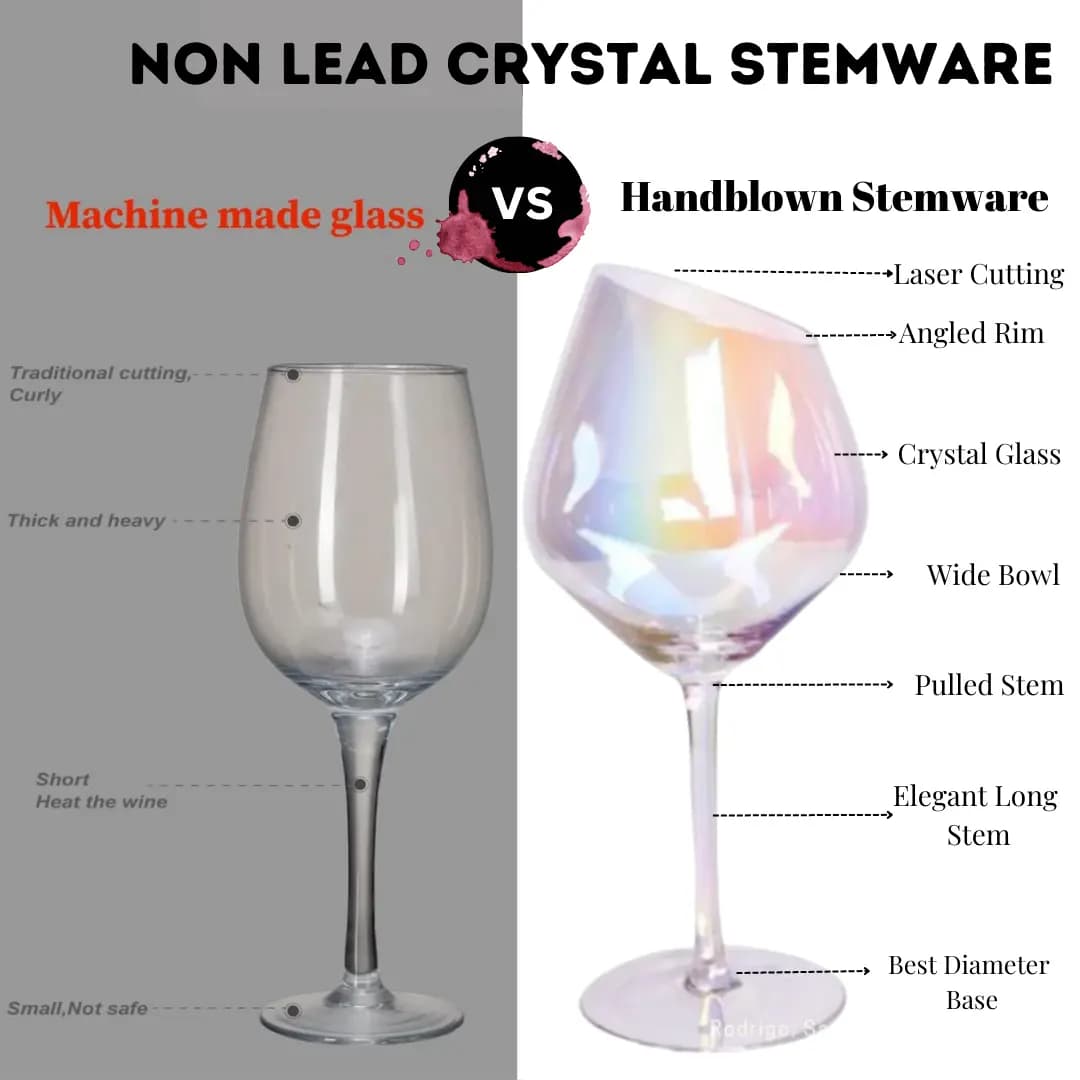
It happens to every glassware owner eventually. You are clearing the table after a dinner party, your hand grazes a glass against the faucet, and you hear that small, definitive clink that means something has chipped. Or you notice, while polishing a favorite wine glass, a hairline crack running along the bowl that was not there last week. The question that follows is always the same: can this be saved, or is it time to let it go?
The answer depends on the nature, location, and severity of the damage. Some chips and cracks are cosmetic issues that can be addressed. Others represent genuine safety concerns that make continued use inadvisable. Knowing the difference protects both your glassware collection and, more importantly, the people drinking from it.
Assessing the Damage
Before deciding on repair or replacement, take a careful look at what you are dealing with. The three most common types of damage to wine glasses are rim chips, body cracks, and stem fractures, and each carries different implications.
Rim chips are the most frequent injury. They range from tiny nicks barely visible to the eye to larger flakes that create a noticeably rough edge. Run your fingertip gently along the rim to feel for any irregularity. Even small chips can create sharp edges that pose a risk to lips during drinking, and they can worsen over time as the glass goes through wash cycles and temperature changes.
Body cracks typically appear as thin lines running through the bowl of the glass. They can be caused by thermal shock, impact, or gradual stress from improper storage. Hold the glass up to a light source and rotate it slowly -- cracks are often easier to see in transmitted light than in ambient conditions. A crack in the bowl compromises the structural integrity of the glass and can fail suddenly, potentially spilling wine or, worse, breaking apart in someone's hand.
Stem fractures are particularly concerning. The stem of a wine glass is already the most vulnerable point structurally, and any crack or chip in this area weakens it significantly. A glass with a damaged stem can snap during normal handling, creating sharp edges and an immediate mess.
When Repair Is a Reasonable Option
Minor rim chips on casual, everyday glassware can sometimes be smoothed out using fine-grit sandpaper or a glass file. This process, known as rim sanding, involves carefully filing the chipped area with progressively finer grits -- starting around 600-grit and finishing with 1000 or 1500-grit -- until the sharp edge is smoothed and the chip is less noticeable.
After sanding, run your fingertip around the entire rim to ensure there are no remaining rough spots. The repaired area will be slightly lower than the surrounding rim, creating a subtle unevenness that you may notice when drinking but that poses no safety risk.
This approach works best for chips smaller than two millimeters on thicker-rimmed glasses. The thicker the glass at the rim, the more material there is to work with and the less noticeable the repair will be. Standard soda-lime glass and thicker crystal respond well to this treatment.
There are also professional glass repair services that can address more significant damage. These specialists use specialized tools and compounds to grind, polish, and sometimes heat-treat damaged areas. For antique or sentimental pieces, professional repair can preserve a glass that would otherwise be lost. The cost of professional repair, however, often exceeds the replacement cost of the glass unless the piece has significant monetary or emotional value.
When Replacement Is the Right Call
For fine crystal glassware, particularly pieces with thin rims, replacement is almost always the better choice over repair. The thin rim that makes quality crystal such a pleasure to drink from is precisely what makes it unsuitable for sanding -- there is simply not enough material to remove without fundamentally changing the profile of the glass.
Any crack in the bowl or body of a glass, regardless of size, warrants replacement. Cracks propagate. A hairline fracture that seems stable today can extend under the thermal stress of being filled with cold wine or washed with warm water. When a cracked glass fails, it does so suddenly and completely, and the resulting shards are sharp enough to cause serious cuts.
Stem damage of any kind means the glass should be retired. Even if a crack in the stem appears stable, the forces exerted on the stem during normal use -- holding, swirling, setting down -- are enough to cause sudden failure. No amount of careful handling can guarantee that a damaged stem will not give way.
If you find yourself needing to replace pieces from your collection, browse the crystal glassware at Luxrify for options that will restore your table to its full elegance. Replacing individual pieces or entire sets is an opportunity to reassess your preferences and perhaps upgrade to a style that better suits your current tastes.
What to Do with Damaged Glasses
Retired wine glasses do not have to go straight to the trash. Glasses with cosmetic chips that are unsafe for drinking can find second lives as decorative objects. A chipped crystal wine glass makes a beautiful vessel for a single-stem flower arrangement, a holder for makeup brushes on a vanity, or a candy dish at a desk.
If the damage makes the glass unsuitable even for decorative use, dispose of it safely. Wrap the glass in newspaper or place it in a cardboard box before putting it in the trash. Broken crystal in a regular waste bin creates a hazard for anyone handling the bag. Some recycling programs accept glass, but crystal -- because of its lead or mineral content -- is often excluded from standard glass recycling streams. Check with your local waste management for guidance.
Preventing Chips and Cracks
Prevention is always preferable to dealing with damage after the fact. Most chips occur during washing, when glasses contact the faucet, the sink basin, or each other. Wash crystal one piece at a time, and consider placing a rubber mat or folded towel at the bottom of the sink to cushion any accidental contact.
Store glasses with adequate spacing between them. Glasses that touch during storage will develop rim chips over time from the small vibrations of daily life -- closing cabinet doors, walking across the floor, even the hum of a refrigerator compressor can cause neighboring glasses to tap against each other repeatedly.
Avoid sudden temperature changes. Never pour hot liquid into a cold crystal glass or move a glass directly from the dishwasher to the freezer. Allow glasses to reach room temperature naturally before subjecting them to any significant temperature shift.
Handle crystal by the stem or base when carrying it, and set glasses down on flat, stable surfaces. A glass placed on an uneven surface can rock and eventually topple, and the resulting fall is almost always fatal for fine stemware.
Investing in quality crystal glassware is a commitment to the art of drinking well. With attentive care and honest assessment when damage occurs, your collection will serve you beautifully for years -- and when the time does come to replace a piece, you will do so knowing that the glass gave you its best for as long as it could.
Shop Our Crystal Wine Glasses
Looking for the perfect wine glasses? Explore Luxrify's handcrafted crystal collection:
- Iridescent Crystal Wine Glasses -- Our bestselling rainbow-shimmer crystal wine glasses
- Amber Crystal Wine Glasses -- Warm amber-toned crystal for a cozy dining experience
- View All Wine Glasses
Free shipping on all orders. 30-day satisfaction guarantee.

