
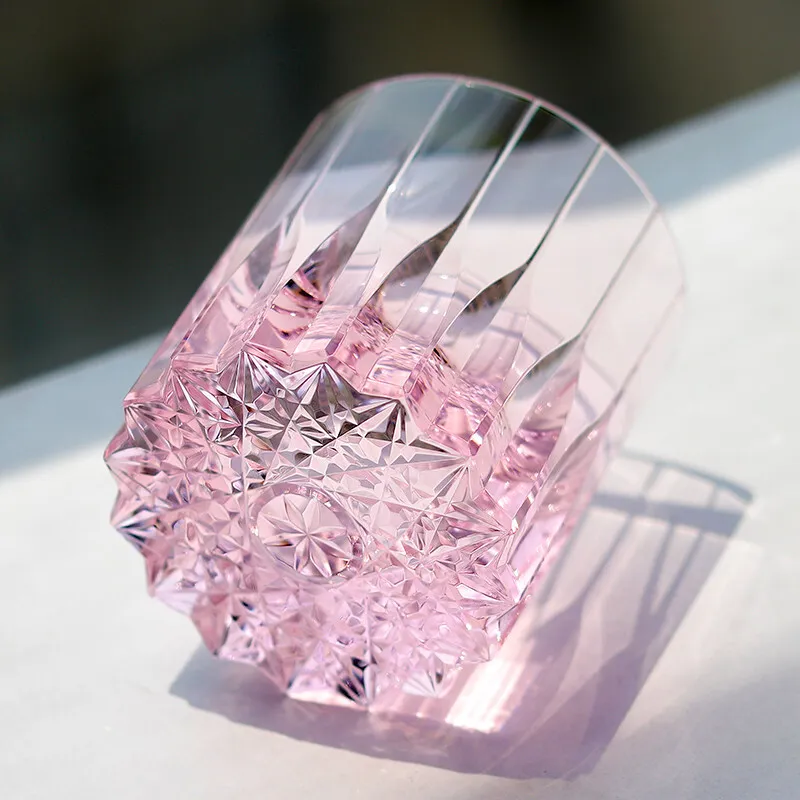
The Right Glass for Every Pour
Whiskey is a spirit that rewards attention. From the color that tells you about cask aging to the nose that reveals layers of grain, wood, and time, every detail of the whiskey experience is influenced by the glass you choose. Unlike wine, where glass recommendations are well-established and widely followed, the whiskey world offers more variety and less consensus about which glass is best.
The truth is there is no single best whiskey glass. Different glasses serve different purposes, and the right choice depends on what you are drinking, how you are drinking it, and what you want to get out of the experience. This guide breaks down every major whiskey glass type, explains the science behind each design, and helps you choose the glass that fits your style.
The Rocks Glass (Old Fashioned Glass)
The Icon of Whiskey Culture
The rocks glass, also known as the old fashioned glass or lowball, is the most recognizable whiskey glass in the world. Its short, broad profile, typically holding 6 to 10 ounces, has become synonymous with whiskey culture. When you picture someone enjoying a bourbon or scotch, this is almost certainly the glass in the image.
Design and Function
The rocks glass features a wide opening and a thick, heavy base. The wide opening allows easy access for your nose but does not concentrate aromas the way narrower glasses do. The heavy base provides stability, satisfying heft in the hand, and room for ice cubes or a large ice sphere.
Best For
The rocks glass excels at whiskey served on the rocks or in cocktails like the Old Fashioned, the Boulevardier, or a Whiskey Sour. The wide opening accommodates muddling, stirring with a bar spoon, and garnishing with an orange peel or cherry. For neat sipping, it is perfectly serviceable but not optimal for nosing.
Crystal Rocks Glasses
The difference between a standard rocks glass and a crystal rocks glass is immediately apparent. Crystal's higher density gives the glass a more substantial weight, and its clarity makes the whiskey's amber tones more vivid. Luxrify's crystal whiskey glasses are crafted from lead-free crystal that delivers this premium feel while being completely food-safe and durable enough for regular use.
The Double Old Fashioned
A Larger Canvas
The double old fashioned is simply a larger version of the standard rocks glass, typically holding 12 to 14 ounces. It provides more room for ice, larger cocktails, and more dramatic presentations. Many home bartenders and whiskey enthusiasts prefer the double old fashioned as their everyday glass because it accommodates both neat pours and cocktails without feeling cramped.
Best For
Whiskey cocktails that require ice and mixing space. Also excellent for whiskey highballs when you prefer a shorter, wider glass over a tall Collins glass.
The Glencairn Glass
The Professional's Choice
Developed in 2001 by Glencairn Crystal in Scotland, the Glencairn was designed specifically for whiskey nosing and tasting. It has since become the official whiskey glass of the Scotch Whisky Association and is used by virtually every professional whiskey blender and taster in the world.
Design and Function
The Glencairn has a distinctive tulip shape: a wide bowl that tapers to a narrower opening. The wide bowl provides ample surface area for the whiskey to interact with air, releasing volatile aromatic compounds. The tapered rim concentrates these aromas, directing them toward your nose in a focused, controlled stream.
The glass sits on a short, solid base rather than a stem, which keeps it stable and easy to cup in your hand. The body heat from your palm gently warms the whiskey as you hold it, which can open up additional aromatic layers, particularly in cask-strength expressions.
Best For
Neat whiskey tasting, nosing sessions, and any occasion where you want to fully explore a whiskey's aromatic profile. The Glencairn is the ideal glass for single malt scotch, small batch bourbon, and any premium spirit you want to evaluate seriously. It is less suited for cocktails or whiskey on the rocks, as the narrow opening makes adding and drinking around ice difficult.
The Snifter
From Brandy to Whiskey
The snifter, originally designed for brandy and cognac, has been adopted by many whiskey enthusiasts for aged and complex spirits. Its large, balloon-shaped bowl and narrow rim create a chamber that traps and concentrates aromas even more dramatically than the Glencairn.
Design and Function
The snifter's exaggerated bowl provides the largest surface area of any whiskey glass, promoting maximum aeration. The sharply tapered rim creates an intense aromatic concentration. The short stem allows you to cup the bowl, warming the spirit with body heat.
Best For
Aged whiskeys, cask-strength expressions, and after-dinner sipping. The snifter is particularly effective for very complex spirits with layered aromatic profiles. However, the intense aroma concentration can be overwhelming for higher-proof whiskeys, where the alcohol fumes can dominate. If you find the nose too hot in a snifter, switch to a Glencairn or add a few drops of water.
The Highball Glass
Tall, Cool, and Refreshing
The highball is a tall, narrow glass, typically holding 10 to 14 ounces, designed for whiskey served with a mixer over ice. Japanese whiskey culture, in particular, has elevated the highball from a casual drink to an art form, with meticulous attention to ice quality, carbonation, and proportions.
Design and Function
The tall profile keeps the drink cold from top to bottom and provides room for generous ice. The narrow shape maintains carbonation in soda-based drinks. A good highball glass is thin-walled to keep the drink cold against your hand and clear to showcase the drink's effervescence.
Best For
Whiskey soda (especially Japanese-style highballs), whiskey ginger, and any whiskey-based long drink. Not suitable for neat sipping.
The Copita (Nosing Glass)
The Taster's Tool
Before the Glencairn was developed, the copita was the standard nosing glass in Scotland's whiskey industry. It resembles a small sherry glass: a tulip-shaped bowl on a long stem.
Design and Function
The copita's long stem keeps your hand away from the bowl, preventing body heat from warming the whiskey prematurely. This makes it ideal for controlled, analytical tasting where you want to evaluate the spirit at a consistent temperature. The tulip bowl and tapered rim function similarly to the Glencairn, concentrating aromas at the opening.
Best For
Professional-style blind tastings and side-by-side comparisons where temperature consistency matters. The copita is less common in home settings but remains a favorite among serious whiskey collectors and competition judges.
The Tumbler
Everyday Versatility
The generic tumbler covers a broad category of short, straight-sided glasses that do not have the thick base of a rocks glass or the tapered shape of a nosing glass. Tumblers are the workhorses of home barware, used for everything from whiskey to juice to water.
Best For
Casual drinking, mixed drinks, and situations where specialized glassware is impractical. A tumbler will not enhance your whiskey experience the way a dedicated glass will, but it gets the job done without fuss.
How Glass Shape Affects Whiskey
Understanding why these different shapes matter comes down to two factors: aroma delivery and liquid flow.
Aroma Delivery
Whiskey's flavor profile is heavily dependent on aroma. Tasting scientists estimate that up to 80 percent of what we perceive as flavor comes through our olfactory system, not our taste buds. A glass that concentrates and directs aromas toward your nose will make the same whiskey taste more complex, nuanced, and interesting.
Wide-opening glasses like rocks glasses allow aromas to dissipate into the ambient air. Tapered glasses like Glencairns and snifters channel aromas into a focused stream that delivers more information to your nose with each sniff.
Liquid Flow
The rim diameter and shape determine how whiskey flows onto your tongue. A wide rim spreads the liquid broadly across the palate, emphasizing the full spectrum of flavors simultaneously. A narrower rim directs the liquid to specific areas of the tongue, creating a more sequential tasting experience where you perceive sweetness, then spice, then warmth in progression.
Building Your Whiskey Glass Collection
If you are starting from scratch, here is a practical approach to building a collection that covers every occasion.
Start with rocks glasses. A set of four quality crystal rocks glasses handles neat pours, cocktails, and casual drinking. These will be your most-used whiskey glasses. Luxrify's crystal whiskey glasses offer the weight, clarity, and craftsmanship to make every pour feel considered.
Add Glencairn glasses. A pair of Glencairns for dedicated tasting and nosing sessions complements your rocks glasses perfectly. When you open a special bottle, reach for the Glencairn.
Consider highball glasses. If you enjoy whiskey soda or Japanese-style highballs, a set of tall, thin highball glasses rounds out your collection.
The snifter is optional. Unless you regularly drink aged, cask-strength whiskey or brandy, a snifter is a specialized tool you may not need. The Glencairn covers most of the same ground.
The Crystal Difference
Regardless of which glass shape you prefer, crystal elevates the experience. The weight of crystal in your hand, the clarity that reveals the whiskey's true color, the thin rim that delivers liquid to your palate without interference. These qualities transform a drink into a ritual.
Lead-free crystal, which Luxrify uses exclusively, gives you all the aesthetic and functional benefits of traditional crystal without any health concerns about lead exposure. It is harder, more scratch-resistant, and in many cases dishwasher safe.
Choose the Glass, Then Pour
The whiskey glass you reach for shapes the experience that follows. A rocks glass says relaxation and ritual. A Glencairn says attention and appreciation. A highball says refreshment and ease. None is better than the others in absolute terms. Each is the right glass for its moment.
Know your glasses, match them to your mood and your whiskey, and every pour becomes exactly what you want it to be.
Shop Our Crystal Whiskey Glasses
Upgrade your whiskey experience with Luxrify's handcrafted crystal:
- Cobalt Designer Crystal Whiskey Glass -- Bold blue crystal for the modern whiskey drinker
- Aureate Mirage Whiskey Glass -- Gold-toned crystal with a dramatic silhouette
- View All Whiskey Glasses
Free shipping on all orders. 30-day satisfaction guarantee.