
Why Your Wine Glass Matters More Than You Think
You have just uncorked a beautifully aged Barolo or a crisp Sancerre. You have chosen the vintage carefully, stored it at the ideal temperature, and let it breathe. But if you pour it into any random glass from the cupboard, you may be missing up to half of what that wine has to offer.
The shape, size, and material of your wine glass are not just aesthetic choices. They are engineering decisions that determine how wine interacts with air, how aromas concentrate before reaching your nose, and how liquid flows across your palate. Understanding these principles will fundamentally change the way you experience wine.
The Anatomy of a Wine Glass
Before diving into specific varietals, it helps to understand the four key parts of every wine glass and how each one influences your drinking experience.
The Bowl
The bowl is the most critical element. Its width determines how much surface area the wine has for oxidation, which releases volatile aromatic compounds. A wider bowl allows more air contact, which is essential for bold reds that need to open up. A narrower bowl preserves the delicate aromatics of lighter wines.
The Rim
The diameter of the rim controls how the wine flows onto your tongue. A wider rim disperses wine broadly across the palate, emphasizing the full range of flavors. A tapered rim directs the wine to a specific area of the tongue, concentrating the initial impression. The thinner the rim, the less it interferes with the transition from glass to mouth.
The Stem
The stem serves a practical purpose beyond elegance: it keeps your hand away from the bowl. Body heat from your fingers can warm the wine and alter its intended serving temperature. A proper stem lets you hold the glass without affecting the wine inside.
The Base
The base provides stability. While it has the least direct impact on wine flavor, a well-weighted base ensures the glass sits securely on any surface and contributes to the overall balance of the glass in hand.
Choosing Glasses for Red Wine
Red wines generally need larger bowls with wider openings. The increased surface area lets the wine breathe, softening tannins and releasing the complex aromatics that make reds so captivating.
Full-Bodied Reds: Cabernet Sauvignon, Merlot, Syrah
For wines like Cabernet Sauvignon, Bordeaux blends, and Syrah, choose a tall glass with a large, wide bowl that tapers slightly at the rim. The generous bowl allows the wine to aerate properly, taming aggressive tannins and allowing layers of dark fruit, spice, and oak to emerge. The slight taper at the top concentrates these aromas, directing them toward your nose as you sip.
A bowl diameter of roughly 3 to 3.5 inches is ideal for these varietals. The glass should hold at least 20 ounces, though you will only fill it to about a third of its capacity.
Medium-Bodied Reds: Pinot Noir, Nebbiolo
Pinot Noir demands its own glass shape. The Burgundy glass features the widest bowl of any wine glass, almost balloon-like, with a dramatically tapered rim. This design maximizes the surface area for the wine's delicate aromas while the narrow opening captures and concentrates them. Pinot Noir's lighter tannin structure and complex perfume of cherry, earth, and spice benefit enormously from this shape.
Light Reds: Beaujolais, Gamay
Lighter reds with bright fruit character and lower tannins work well in a slightly smaller version of the standard red wine glass. A more compact bowl preserves the fresh, fruity aromatics without over-aerating the wine, which could cause it to lose its vibrant character.
Choosing Glasses for White Wine
White wine glasses are generally smaller than red wine glasses. The reduced bowl size serves two purposes: it limits oxidation, which can dull a white wine's crisp freshness, and it helps maintain the cooler serving temperature that whites require.
Full-Bodied Whites: Chardonnay, Viognier
Oaked Chardonnay and other rich whites benefit from a wider bowl, somewhat similar to a red wine glass but not as large. The extra room allows the complex notes of butter, vanilla, and tropical fruit to develop. If you have ever found an oaked Chardonnay tasting flat, try serving it in a slightly larger glass and notice how the flavors expand.
Crisp Whites: Sauvignon Blanc, Pinot Grigio, Riesling
For aromatic, high-acid whites, a tall, narrow glass with a small bowl is the best choice. This shape preserves the wine's temperature, concentrates floral and citrus aromas, and directs the wine to the tip of the tongue, where you perceive sweetness first before the refreshing acidity kicks in. The result is a more balanced and vibrant tasting experience.
Champagne and Sparkling Wine
The traditional champagne flute, with its tall, narrow profile, is designed to preserve carbonation and showcase the stream of bubbles rising through the wine. However, many sommeliers now prefer a wider tulip-shaped glass for premium Champagne, as it allows the complex aromas to develop while still maintaining effervescence.
Luxrify's iridescent and amber champagne glasses are designed with a modern tulip profile that strikes the perfect balance between bubble preservation and aromatic expression.
The Case for Quality Crystal
Beyond shape, the material of your glass plays an important role. Crystal stemware, particularly lead-free crystal, offers several advantages over standard soda-lime glass.
Crystal can be blown thinner, creating a finer rim that improves the transition of wine to palate. Its molecular structure refracts light more brilliantly, making the wine's color more vivid. Crystal also has a slightly textured surface at the microscopic level, which encourages more nucleation points for aromas to release from the wine.
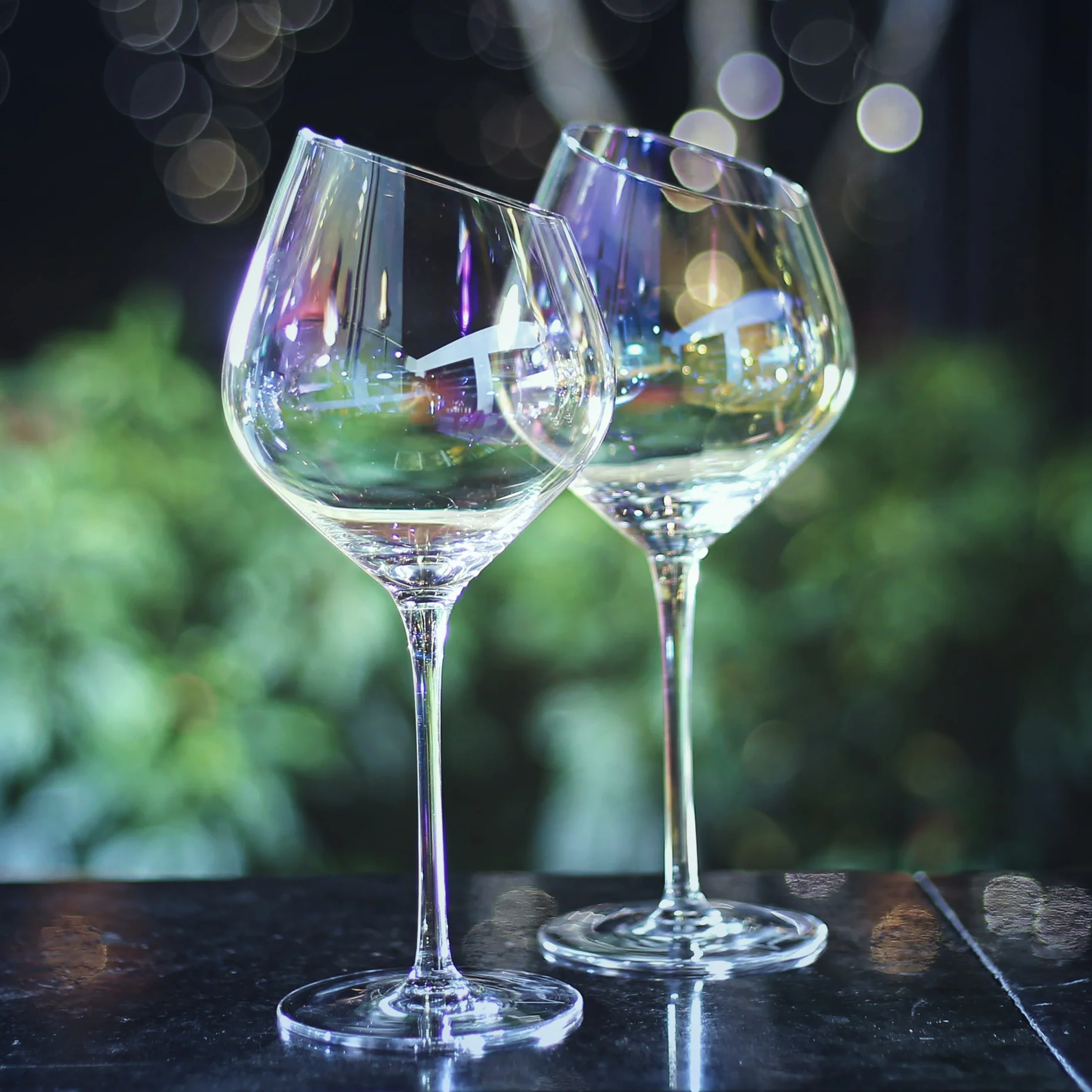
Luxrify's crystal wine glasses combine these material benefits with carefully designed bowl shapes, available in stunning amber and iridescent finishes that elevate both the visual and tasting experience.
Universal Wine Glasses: A Practical Compromise
If maintaining a full collection of varietal-specific glasses is not practical, a good universal wine glass can serve you well for most occasions. Look for a glass with a medium-sized bowl that is slightly wider than a standard white wine glass but narrower than a dedicated red wine glass. A gentle taper at the rim will help concentrate aromas regardless of the varietal.
Universal glasses work best for everyday drinking and casual entertaining. For special bottles or formal tastings, varietal-specific glasses will always provide the superior experience.
Practical Tips for Glass Selection
Start with the essentials. If you are building a collection from scratch, begin with a quality set of universal red wine glasses and a set of white wine glasses. These two shapes will cover the vast majority of what you drink.
Match the glass to the occasion. Casual dinners do not require Burgundy-specific stemware, but when you open a prized bottle, give it the glass it deserves.
Invest in fewer, better glasses. Two or four excellent crystal glasses will serve you better than a dozen mediocre ones. The difference in your tasting experience is immediate and unmistakable.
Consider the pour. Regardless of glass size, fill red wine glasses to about one-third full and white wine glasses to about half full. This leaves room for swirling and allows aromas to collect in the upper portion of the bowl.
The Bottom Line
Choosing the right wine glass is one of the simplest and most impactful upgrades you can make to your wine experience. The science behind glass shape is well-established, and once you taste the difference, there is no going back to one-size-fits-all stemware.
Whether you are a dedicated collector or just beginning to explore wine, starting with the right glass puts you on the path to tasting everything your favorite bottles have to offer. Browse Luxrify's collection of crystal wine glasses to find the perfect complement to your next pour.
Shop Our Crystal Wine Glasses
Looking for the perfect wine glasses? Explore Luxrify's handcrafted crystal collection:
- Iridescent Wine Crystal Stemware -- Our bestselling rainbow-shimmer crystal wine glasses
- Amber Wine Crystal Stemware -- Warm amber-toned crystal for a cozy dining experience
- View All Wine Glasses
Free shipping on all orders. 30-day satisfaction guarantee.